Reaching 60,000 miles is a good time to take a broader look at your vehicle. It may still start easily, drive quietly, and feel dependable, but many fluids, filters, ignition components, belts, and suspension components have now spent years handling heat, vibration, traffic, and changing weather conditions.
There is no single 60,000-mile package that fits every car. The correct service depends on the manufacturer’s schedule, the engine and transmission, previous maintenance, vehicle age, and how it is driven. Reviewing those details helps separate services that are due now from items that still have useful life.
Start With The Maintenance History
Before replacing anything, check which services have already been completed. Spark plugs, coolant, transmission fluid, brake fluid, and filters may have been handled earlier. Service records prevent work from being repeated too soon and reveal items that may have been skipped.
The owner’s manual is another important guide. Some vehicles call for major services near 60,000 miles, while others spread them across several intervals. Time also plays a role. A low-mileage car can still have aging coolant, old brake fluid, brittle belts, or a weak battery after several years on the road.
Engine Oil Service Should Include A Leak Check
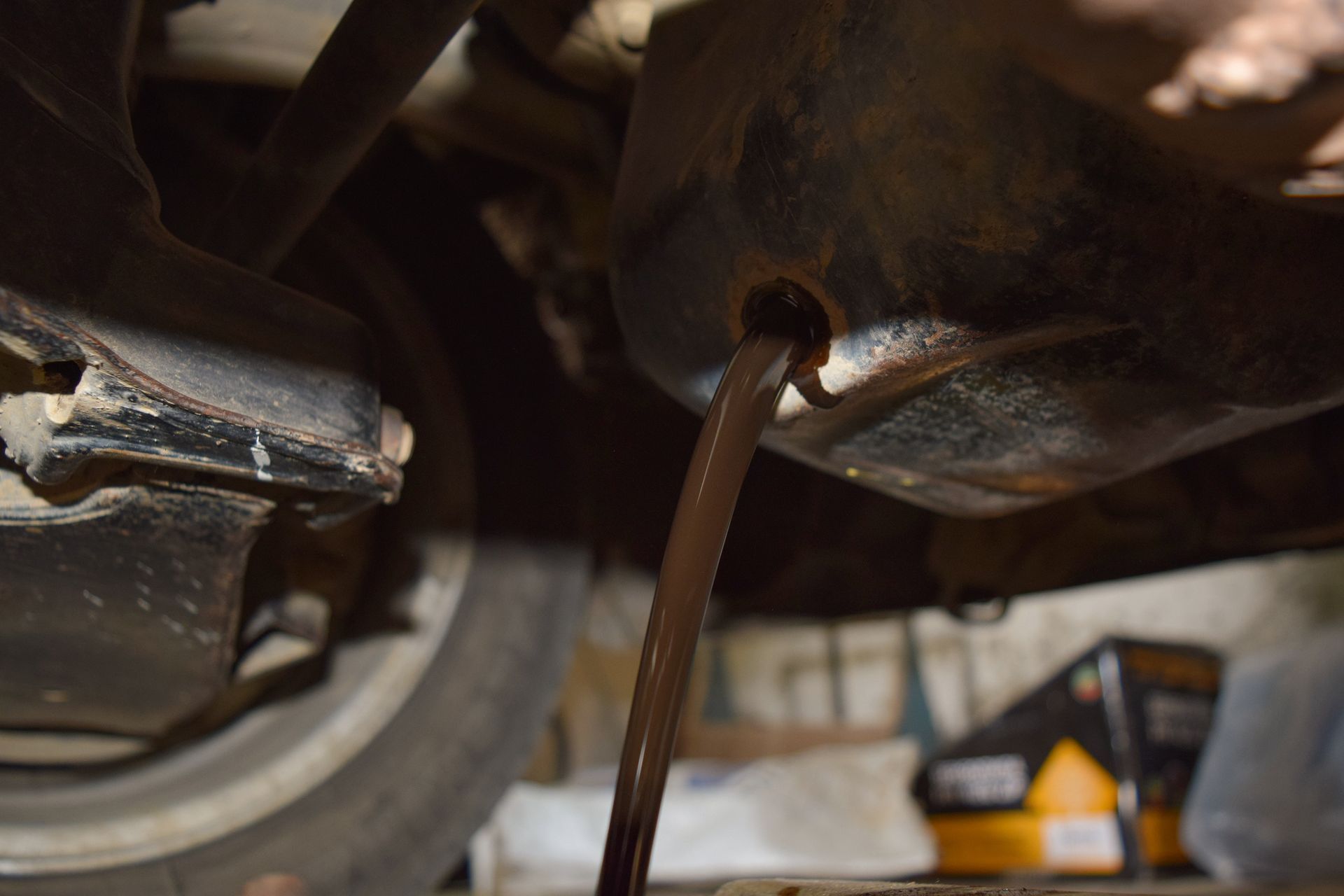
Engine oil and filter replacement remain essential, but the visit should include more than draining the old oil. Gaskets and seals can begin to seep as mileage builds, especially around the valve cover, timing cover, oil pan, filter housing, and crankshaft seals.
Early leaks may look like damp residue rather than a puddle. Finding them before oil reaches the exhaust, belts, wiring, or engine mounts can keep the repair smaller. Drivers should also check the oil level between services because some engines begin using more oil as they age.
Transmission Fluid May Be Due For Service
Transmission fluid lubricates internal parts, dissipates heat, and helps an automatic transmission generate the hydraulic pressure required for gear changes. Old fluid can darken, collect wear material, and lose some of the qualities that protect clutches, bearings, valves, and seals.
The correct procedure varies. Some transmissions use a replaceable filter and pan gasket, while others require a specific filling temperature or scan tool. Service history and fluid condition should be reviewed before choosing a drain-and-fill, filter service, or other approach.
Coolant Protects More Than Engine Temperature
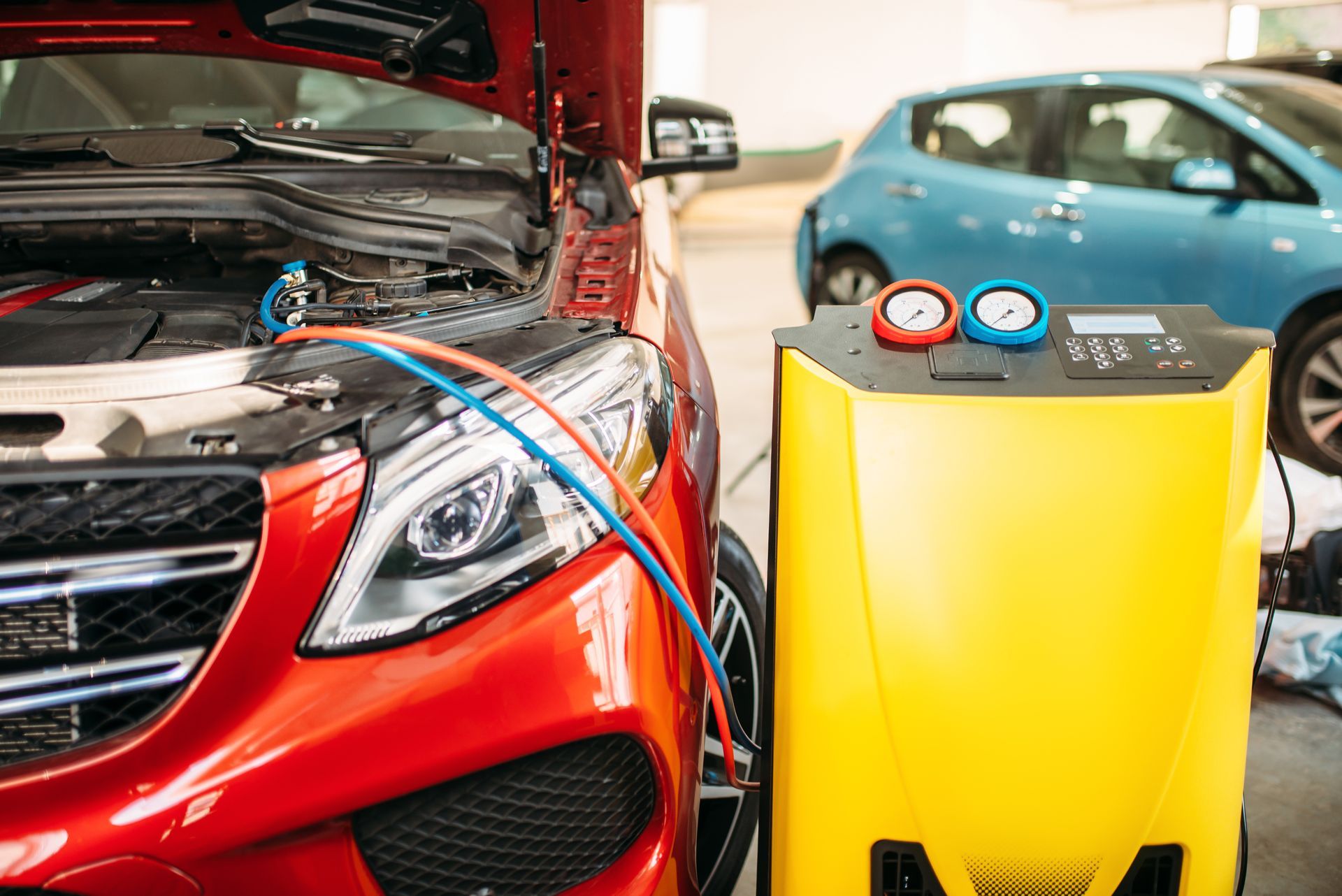
Coolant carries heat away from the engine, protects against freezing, and helps prevent corrosion inside the radiator, heater core, and engine passages. Its protective additives break down over time, even when the reservoir remains full, and the color still looks acceptable.
A cooling system inspection should include the radiator, hoses, clamps, water pump, thermostat housing, expansion tank, and cap. Dried residue, a sweet odor, or a slowly dropping level can indicate a small leak that may become more serious during a long drive or a hot Colorado afternoon.
Spark Plugs And Filters May Need Replacement
Many vehicles use long-life spark plugs, but replacement intervals vary. Worn plugs can contribute to slower acceleration, rough idle, reduced fuel economy, hard starting, and extra strain on ignition coils. If the plugs are due, replacing them before a misfire begins can help protect the catalytic converter.
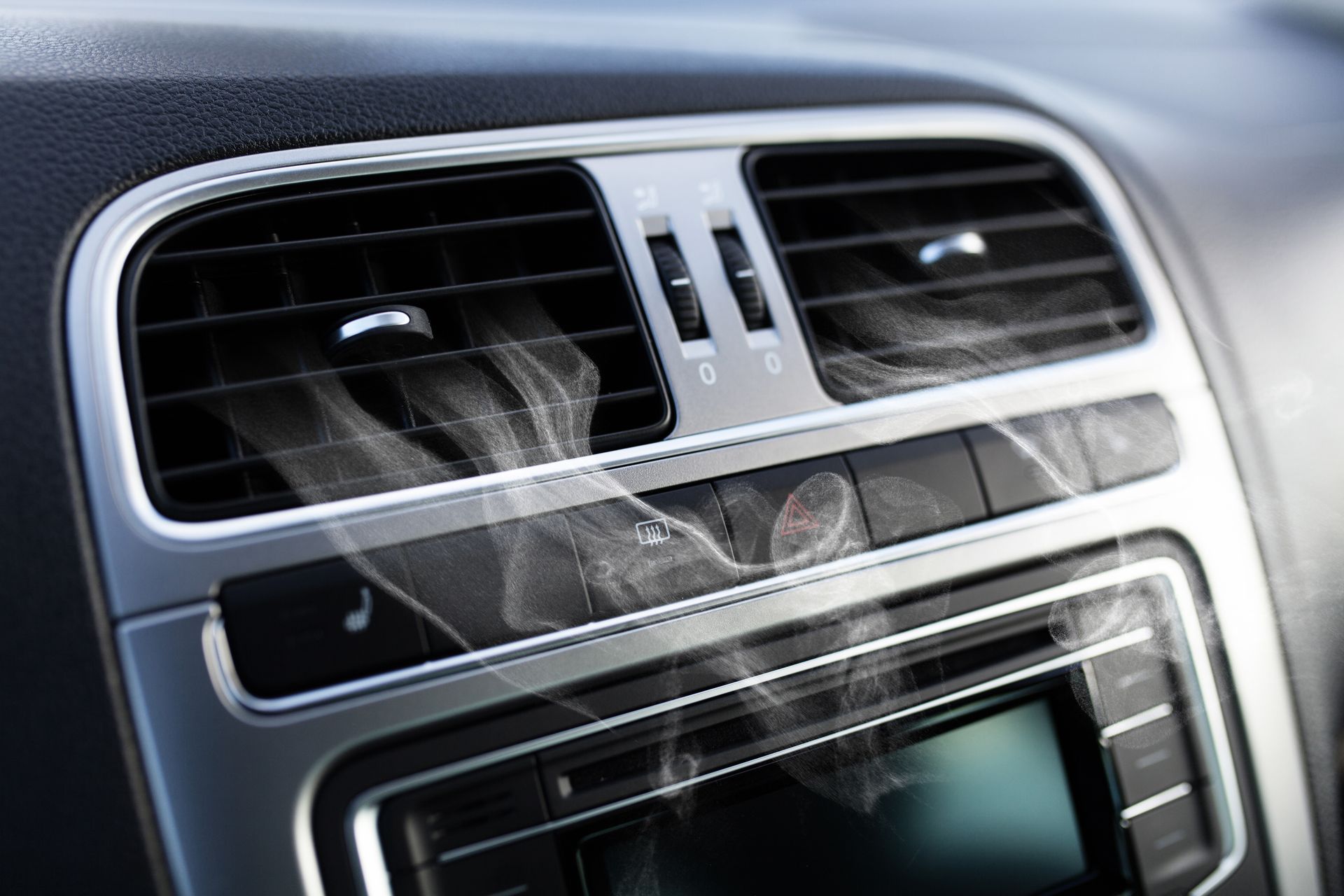
The engine air filter and cabin air filter should also be checked. A dirty engine filter can restrict airflow, while a clogged cabin filter reduces airflow through the vents and makes the heating and A/C system work harder. Their condition often depends more on dust and driving environment than mileage alone.
Brake Service Goes Beyond Pad Thickness
Brake pads and rotors should be checked for remaining thickness, uneven wear, scoring, cracks, rust buildup, and heat damage. Caliper slide pins and hardware also need to move freely. A sticking caliper can wear one pad much faster, generate heat, and cause the vehicle to pull.
Brake fluid absorbs moisture as it ages. That lowers its heat resistance and can contribute to corrosion within hydraulic components. If the fluid has never been serviced or the history is unclear, its condition should be tested as part of regular maintenance.
Check The Tires, Steering, And Suspension
By 60,000 miles, the vehicle has likely encountered potholes, rough pavement, sharp turns, and thousands of braking and acceleration cycles. Shocks, struts, control arm bushings, sway bar links, ball joints, tie rods, and wheel bearings may be showing early wear.
Tire tread can reveal problems before the driver hears a noise. Inner-edge wear may point toward alignment or suspension concerns, while cupping can develop when a tire bounces against the pavement. Replacing tires without correcting the cause can shorten the life of the next set.
Look Closely At Belts, Hoses, And The Battery
Drive belts can develop cracks, glazing, frayed edges, or contamination from oil and coolant. Tensioners and pulleys wear too, sometimes creating chirping, rattling, or squealing before a belt comes off. Coolant hoses and intake tubes should be checked for swelling, soft spots, splits, and loose clamps.
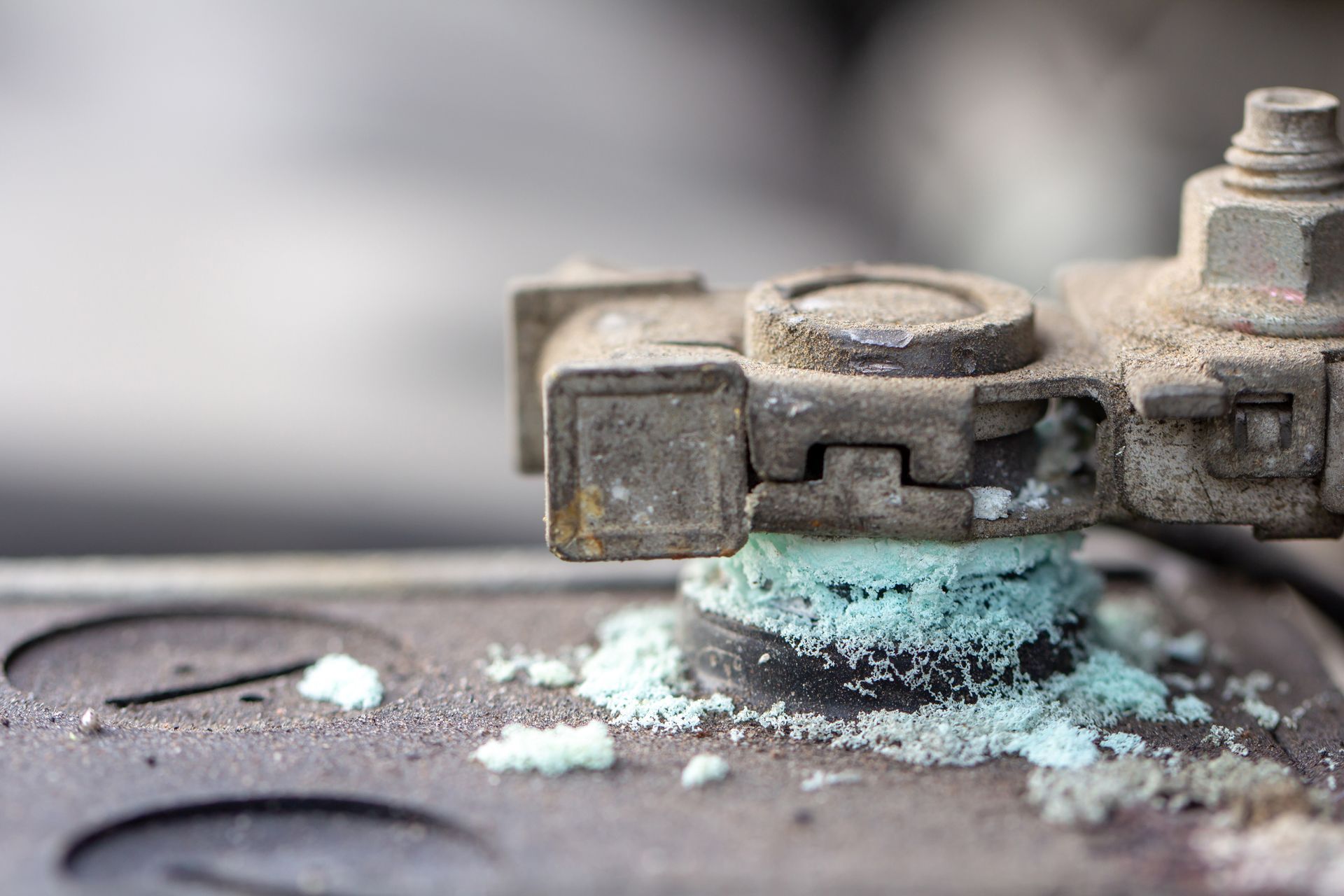
Battery condition depends more on age, climate, and driving habits than on mileage. Slow cranking, corroded terminals, or repeated jump-starts are clear warnings, but a battery can test weak before those symptoms appear. Checking the battery and alternator together gives a better picture of the starting and charging system.
Common 60,000-Mile Items To Review
- Engine oil and filter replacement
- Transmission and drivetrain fluids
- Coolant condition and cooling system leaks
- Spark plugs and ignition performance
- Engine and cabin air filters
- Brake pads, rotors, calipers, and fluid
- Tires, alignment, steering, and suspension
- Belts, hoses, battery, and charging output
Not every item on this list will need replacement. A careful inspection should identify what is due, what is beginning to wear, and what can safely wait until a future visit.
Get 60,000-Mile Maintenance In Greeley, CO, With The Garage Automotive Solutions
If your vehicle is approaching or has passed 60,000 miles, The Garage Automotive Solutions in Greeley, CO, can review its service history and inspect the fluids, brakes, tires, suspension, filters, belts, hoses, battery, and ignition system.