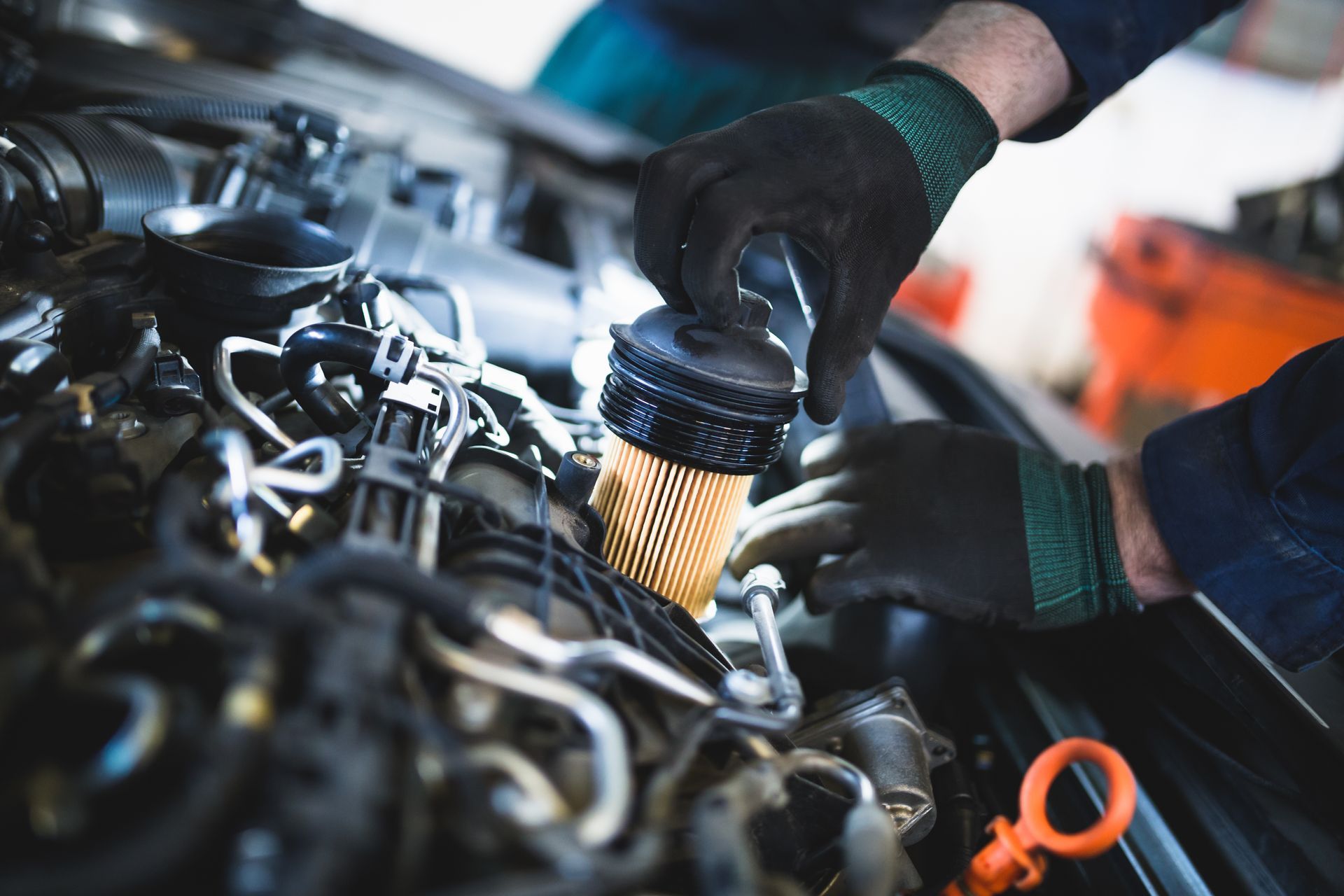
Oil change advice gets messy because two drivers can own the same car and have totally different realities. One racks up highway miles quickly. The other barely drives, yet the car sits through heat, cold, and short trips that never fully warm the oil.
If you want an interval that actually makes sense, you have to look at both time and miles.
Why Time Matters Even If You Hardly Drive
Oil ages even when the car is parked. Temperature swings can create condensation inside the engine, and that moisture can hang around if the car is not driven long enough to fully heat the oil. Over months, this can chip away at the oil’s protective additives, making it less effective at preventing corrosion.
If the car sits a lot, it is also more likely that the oil was last used for short trips. Short trips tend to leave more fuel vapor and moisture in the crankcase, and that mixture is not ideal to let sit for a long stretch. Time-based changes are often the safer choice for low-mile drivers.
Why Miles Still Matter For Oil Health
Miles matter because oil is doing work every second the engine runs. Heat cycles, shear, and contamination build with use, and oil can only hold so much before it starts losing its ability to protect moving parts. Higher mileage driving, towing, long hills, and hot weather all push oil harder.
If you drive a lot, the time on the calendar might not be the best guide. You can hit an oil’s useful life by miles well before a year passes, especially if the vehicle sees heavy load or long idle time.
Short Trips, Idling, And Severe Service Reality
A lot of drivers assume severe service means extreme driving, but it often describes everyday life. Short trips, stop-and-go traffic, and frequent idling can be tougher on oil than steady highway cruising. The engine spends more time warming up, and the oil may not stay hot long enough to burn off moisture.
Here are a few situations that often justify a shorter interval:
- Frequent trips under 10 minutes
- Lots of stop-and-go traffic or long idles
- Extreme heat or cold stretches
- Regular towing or hauling heavier loads
How To Pick An Interval That Fits Your Driving
Start with the manufacturer's recommendation, then adjust based on how the car is actually used. If you mostly drive steady highway miles and the engine reaches full temperature often, you can usually follow the mileage-based reminder more comfortably. If your car lives on short trips, plan on time-based changes even if you are not hitting the mileage.
A practical approach is to use whichever comes first: the mileage interval or a time limit that keeps the oil from aging in place. If you are unsure, a quick inspection of oil condition and any leak clues can help set a smarter plan.
Simple Oil Checks Between Changes
Checking oil level is underrated, especially on engines that consume a little oil between services. Low oil is where small delays start turning into wear. Check on level ground with the engine off and given time to drain back, and do it consistently so you are comparing apples to apples.
Also, keep an eye out for changes that hint the plan needs adjustment. If you notice an oil smell after parking, fresh residue under the engine, or the level dropping faster than it used to, the interval might be too long, or a leak might be starting.
What Happens When Intervals Get Stretched Too Far
When oil stays in too long, deposits and varnish can build up in areas you cannot see, and oil flow can become less consistent during cold starts. Even if the car still feels fine, wear can quietly accelerate in high-contact areas. Over time, that can show up as rougher starts, noisier operation, or oil consumption that keeps creeping up.
If you are already overdue, the best move is to reset the baseline with an oil change, then pick a schedule you can realistically follow. Oil service is one of those routines that keeps the rest of the ownership experience calmer.
Get Engine Oil Service In Greeley, CO, With The Garage Automotive Solutions
If you want an interval based on how you actually drive, The Garage Automotive Solutions in Greeley, CO, can help you choose the right oil and set a schedule that fits your mileage and time on the calendar.
Book a visit and take the uncertainty out of your next oil change.