A whistle on the highway has a special talent for getting under your skin. The car might feel fine, yet that high-pitched sound keeps showing up right when you settle into cruising speed.
What makes it frustrating is how many different sources can create a similar noise from the driver’s seat. If you can narrow down when it happens and what changes it, you can usually get to the real cause faster and avoid replacing parts that were never the problem.
Why A Highway Whistle Can Be So Hard To Pin Down
At higher speeds, airflow increases, and small gaps start acting like little instruments. A tiny opening that stays quiet around town can produce a clear whistle once the wind and engine load increase. Vibration also plays a role, especially if a shield or trim piece is slightly loose.
Start by thinking in two categories: speed-related and throttle-related. If the sound grows mainly with speed, wind, and body airflow become more likely. If it changes when you press the gas or lift off, the engine bay becomes a stronger suspect.
Intake And Vacuum Leaks That Whistle Under Load
An intake leak can make a surprisingly sharp whistle. Common culprits include a cracked intake boot, a loose clamp, a small vacuum line split, or a PCV hose connection that is not sealing well. These often get louder when the engine is pulling more air, which is why they can be louder while accelerating or climbing a hill.
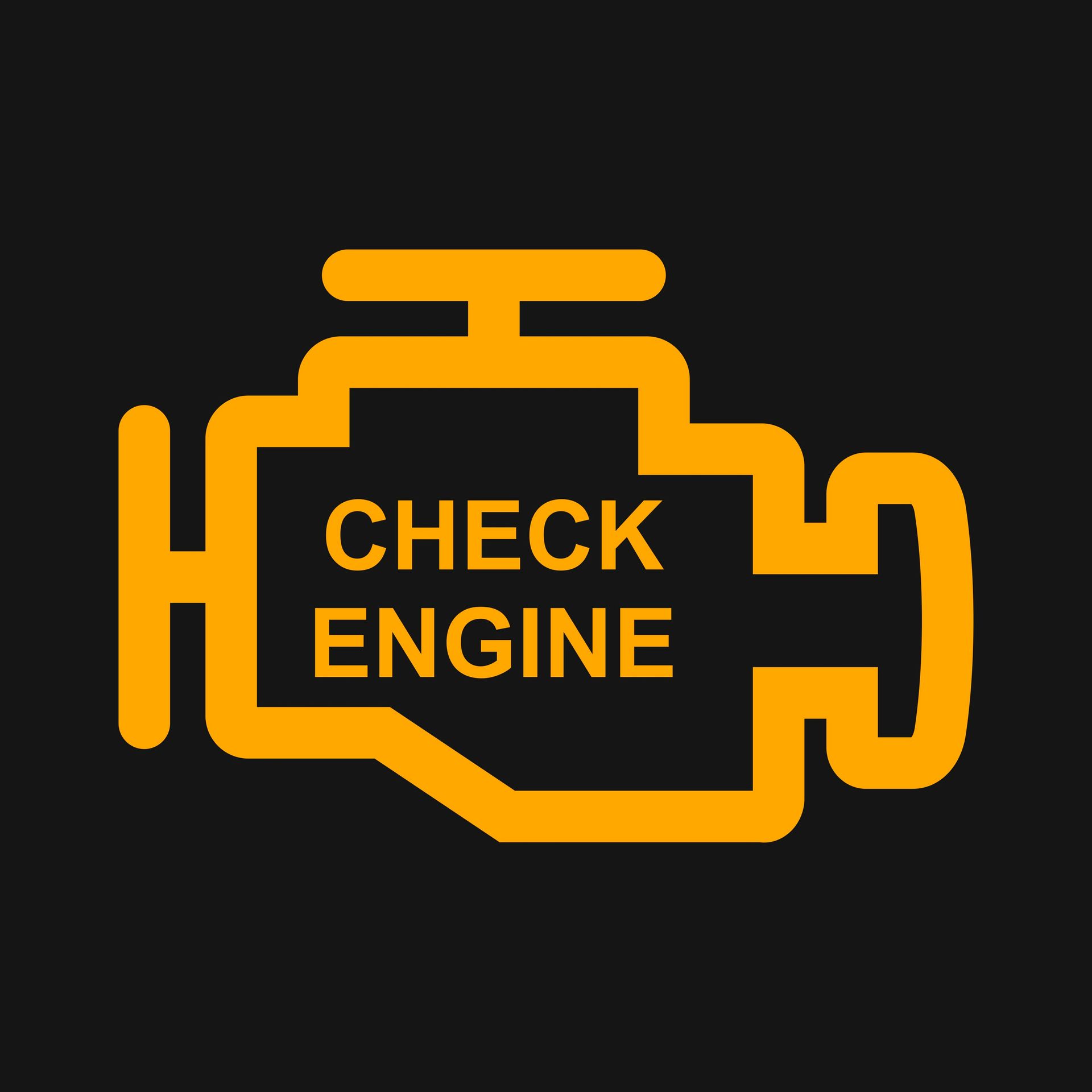
You might notice other hints, too. The engine may hesitate slightly, idle a little rougher than normal, or throw a check engine light that comes and goes. Even without a warning light, a small air leak can still create noise and slowly worsen over time.
Belt, Pulley, And Bearing Noises That Mimic A Whistle
Not every whistle is airflow. A worn serpentine belt, a weak tensioner, or a pulley bearing starting to dry out can create a high, steady tone. At highway speed, engine RPM often stays steady for long stretches, which makes a belt or pulley noise feel tied to road speed.
A good clue is whether you can change the pitch by changing the engine RPM. If the sound increases as RPM rises, rotating accessories are a stronger suspect. Another clue is accessory load. If the whistle gets more noticeable with the A/C on or during steering input, the belt drive system deserves a close look.
Wind Noise From Seals, Trim, And Underbody Panels
Door seals, window alignment, mirror trim, and the windshield cowl area can all whistle at speed. Roof racks and crossbars can also create a clean, high pitch that only shows up above a certain mph. Underbody panels and splash shields are another common source, especially if a fastener is missing or a panel is slightly bowed.
If the noise changes on windy days or when you pass large trucks, that points toward airflow around the body. If it sounds louder near a specific window, seals and trim move higher on the list.
Exhaust Leaks That Get Louder When You Accelerate
A small exhaust leak can create a whistle or a sharp hiss. It often gets louder under acceleration because exhaust flow increases. It can also sound different when the engine is cold, then soften as the exhaust expands with heat.
Other clues can include a faint exhaust smell near the front of the vehicle, a ticking that blends into the whistle, or soot marks near a joint. Exhaust components run hot, so it is smart to have this checked sooner rather than later.
A Quick Decision Guide Based On What Changes The Noise
- If you’re trying to describe the sound clearly, focus on what changes it. These patterns help point the inspection in the right direction.
- If the whistle changes with throttle input, suspect an intake leak or an exhaust leak.
- If the whistle grows with speed more than engine RPM, suspect seals, trim, roof equipment, or underbody panels.
- If the whistle changes with engine RPM even when you are not moving, suspect belt, pulleys, or bearings.
- If the whistle is worse with the A/C on, suspect belt load changes or HVAC-related airflow and seals.
- If the whistle started after a pothole hit or road debris, suspect a shifted shield, loose panel, or damaged ducting.
What Makes This Problem Worse If You Put It Off
A wind whistle from trim is mostly an annoyance, but it can still turn into a loose panel that flaps or rubs paint. An intake leak can lead to drivability issues and can trigger warning lights once it grows. A belt or bearing noise can shift from a whistle to a failure that leaves you stranded.
Avoid quick spray fixes or randomly tightening parts you cannot see clearly. That approach can hide the real source and create new issues. A targeted inspection is usually quicker than trial-and-error attempts.
Get Whistling Noise Diagnosis In Greeley, CO, With The Garage Automotive Solutions
We can track down where the whistle is coming from and confirm whether it’s an intake leak, a belt and pulley issue, a wind-related seal gap, or an exhaust concern. We can also test-drive it under the conditions that trigger the noise, then show you what we find and what it takes to fix it correctly.
Call
The Garage Automotive Solutions in Greeley, CO, to schedule a noise inspection and get that highway whistle handled.